1. Hue
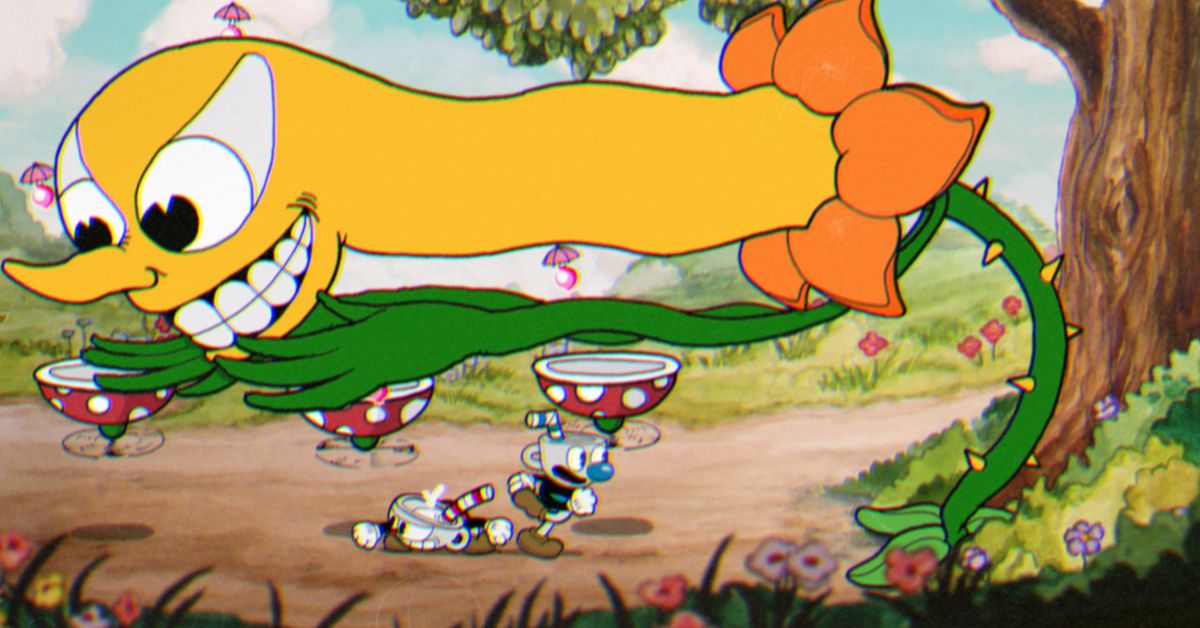
Identifies how we observe light being reflected from objects at particular frequencies. My design process can be changed by altering my perception of colors.
2. Saturation
Saturation is the intensity of brilliance that a color displays. I can change my design process by adding saturation to intensify the colors.
3. Temperature
The temperature is the subjective quality of colors (ex: red and orange being warm colors). Learning the temperatures of colors can give my images deeper meaning.
4. Hue Relationships
How different hues interact with each other is called hue relationships. My images can gain a deeper feeling of unity through hue relationships.
5. Saturation Relationships
Saturation relationships may occur independently from other relationships. Saturation relationships can increase the pop of my works.
6. Temperature Relationships
Colors that are grouped together that have similar temperatures can generate massive possibilities for color combinations. I can increase the mood of colors through temperature relationships.
7. Color: Form and Space
Applying color to a composition will have an immediate effect on hierarchy, the relative order of importance of the forms in space. By learning this relative importance I can gain a deeper awareness of my projects I create.
8. Color Stories: Coding with Color
Color can help us create relationships among components or editions of a publication. By learning about these components I have reached a new level of awareness in the importance of color in images.
9. Color Proportioning
When coloring, a person needs to establish flexibility in their system. By learning to correctly proportion colors I can give my images a sense of balance.
10. Color Psychology]
Each color comes with a variety of psychological messages that are given to the viewer. By learning the messages that each color creates I can reach out the intended meaning of my work to the viewer.