- Hue
- The identity of a color as a result of how we perceive light being reflected.
- Hue Relationships
- Interaction between hues can be created by the designer. The closer or farther apart they are on the color wheel determines the harmony of the optical qualities.
- Saturation
- Describes a color’s intensity or brilliance. A saturated color is very intense or vibrant. Colors that are dull are desaturated with no visible hue.
- Saturation Relationships
- As a hue is desaturated, it can appear to become darker or cooler adjacent to a different hue of greater saturation.
- Value
- It’s intrinsic darkness or lightness. As the value of a single hue changes. either darker or lighter, its intensity decreases.
- Temperature
- Subjective quality related to experiences, as colors considered warm remind us of heat and colors considered cool remind us of cold objects or environments.
- Temperature Relationships
- It is possible to create relationships within a color palette based on relative temperature.
- Color: Form & Space
- Applying color to a composition will have an immediate effect on hierarchy, the relative order of importance of the forms of space.
- Color Psychology
- With color comes a variety of psychological messages that can be used to influence content. Imagery and verbal meaning alike.
- Changing Color, Changing Meaning
- Because color strongly evokes emotional response, it’s very important that the designer is intentional about it.
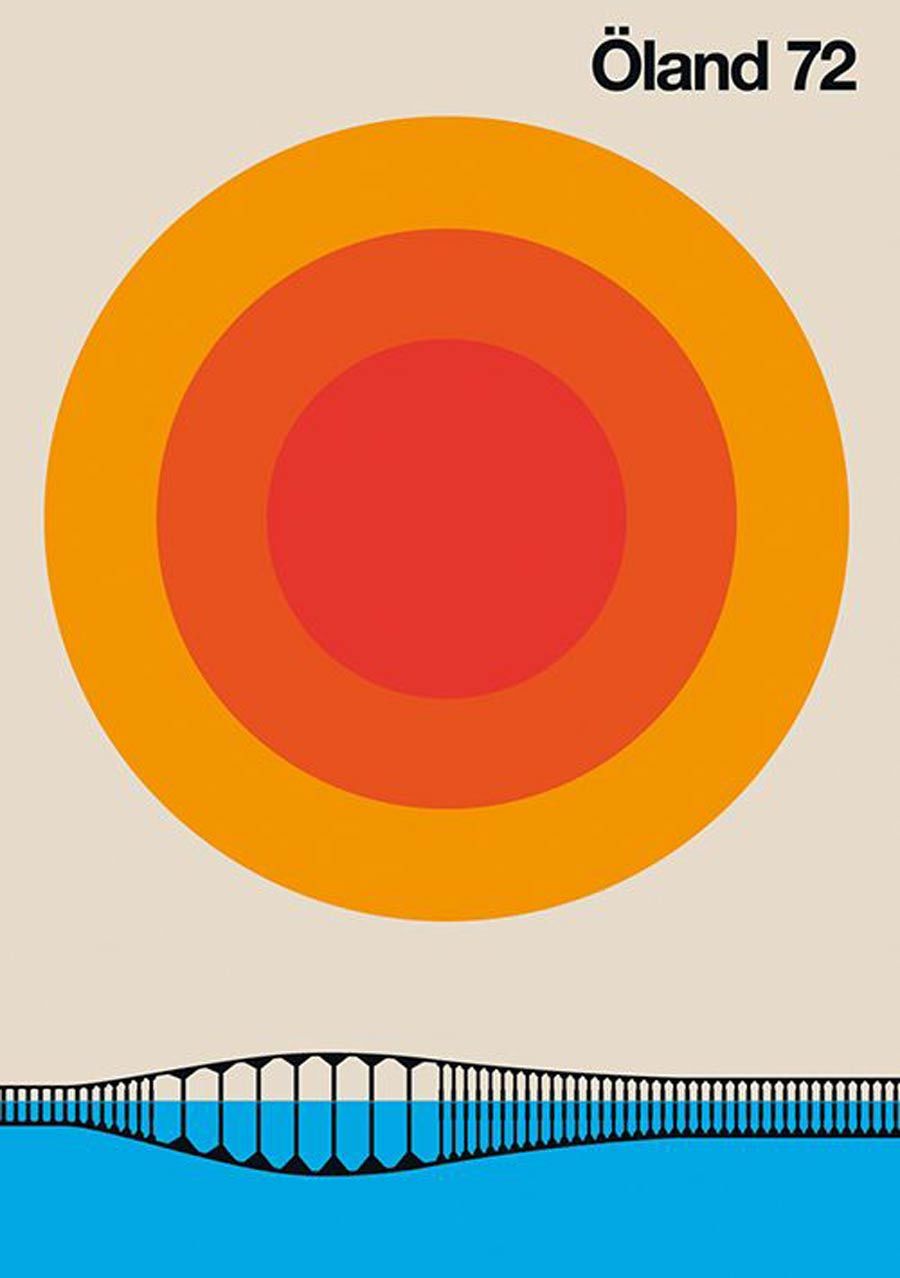
I have not done enough graphic design to anticipate how each of these affects my design process, but I can say that overall colors are something that I take seriously. I know that I tend to use anything muted or desaturated, like pastel everything. I like the vintage feel of it. I do know that there are certain times for being intentional about the color as well.